Review: Paisely Grass Design Pattern Lineart for Etsy
As an embroidery seller who spends hours scrolling through digital marketplaces, I know that finding the right machine embroidery design is about more than just aesthetics. It is about visualizing the finished product, understanding the stitch quality, and determining if a file will actually convert into sales on Etsy. Recently, I have been evaluating the Paisely Grass Design Pattern Lineart from Creative Fabrica to see if it fits into my upcoming small batch collections. This review is written from the perspective of a craft business owner looking for reliable assets to build a profitable inventory.
Visual Personality and Market Fit
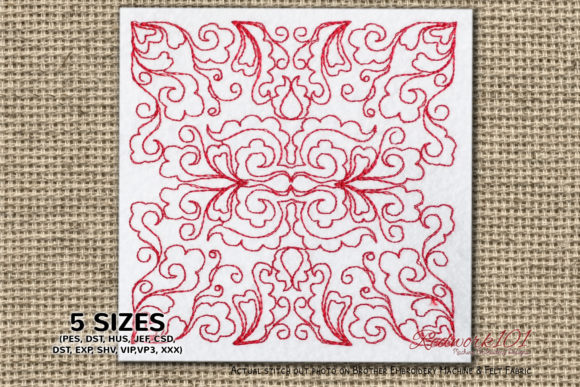
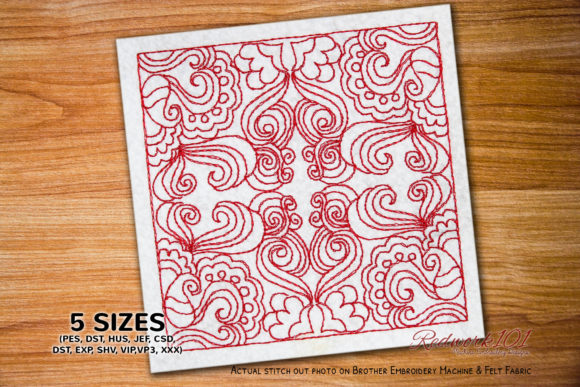
The title itself, Paisely Grass Design Pattern Lineart, immediately suggests a specific vibe. We are looking at a blend of the classic, ornamental textile history of the paisley motif—rooted in the boteh or buta teardrop shape—with a natural, organic "grass" element. The term "Lineart" is crucial here; it tells me this design likely relies on clean outlines rather than heavy fill stitches. This makes it feel modern, minimal, and incredibly versatile.
In my experience, line art designs are currently trending because they offer a sophisticated, hand-drawn look that appeals to customers seeking something less bulky than traditional saturation-heavy embroidery. This design feels elegant yet playful. It strikes a balance between rustic charm and contemporary boutique style. For an Etsy seller, this versatility is gold. It is not overly seasonal, meaning it can be sold year-round, but it has enough character to stand out in a crowded marketplace.
Ideal Products for This Design
When I evaluate a new embroidery file, I immediately start mentally mocking up products. Based on the description of the Paisely Grass Design Pattern Lineart, here is where I see the highest potential for sales:
- Tote Bag Design: The linear nature of this pattern would look stunning on canvas tote bags. The open spaces in line art prevent the fabric from puckering, which is a common issue with large fill designs on lightweight canvas.
- Sweatshirt Embroidery: French terry and fleece are perfect for this. A monochromatic thread color on a neutral sweatshirt creates a high-end, streetwear aesthetic that is very popular right now.
- Kitchen Towel Embroidery: Because the design is described as having an optional box stitch and likely lower density, it is ideal for waffle weave or linen towels where heavy stitching can cause warping.
- Baby Embroidery: Soft, flowing lines are gentle and appealing for baby blankets and onesies. The organic "grass" element adds a sweet, nature-inspired touch that parents love.
- Embroidered Patch: If the file allows for a satin border or if you add one digitally, this could make a fantastic iron-on patch, a huge category in handmade accessories.
Commercial Viability for Small Shops
For those running a craft business, the commercial value of a design lies in its ability to be photographed well and perceived as a personalized gift. The Paisely Grass Design Pattern Lineart excels here. Line art photographs exceptionally well because the shadows cast by the stitches create depth without overwhelming the image. This makes creating printable mockups and social media previews much easier.
Imagine listing this on custom apparel. A customer sees a clean, intricate pattern that looks professional rather than homemade. The "paisley" aspect brings a sense of heritage and quality, while the "grass" element keeps it fresh. This combination helps a product feel more giftable and memorable. Online shoppers often scroll quickly; a design that offers clear definition even at thumbnail size is essential. Since this is a pattern lineart, it should maintain readability even when scaled down for hat embroidery or pocket logos.
Practical Seller Notes and Technical Considerations
Before adding any digital embroidery file to your production queue, there are critical steps every responsible seller must take. While the product description mentions that the pattern uses the traditional boteh motif and includes an optional box stitch, it cuts off regarding color details. Therefore, you must verify specific technical data on the Creative Fabrica product page before purchasing.
Here is my checklist for testing the Paisely Grass Design Pattern Lineart:
- Confirm Hoop Size: The description does not specify the dimensions. Ensure the design fits your available hoops, especially if you plan to use it on caps or smaller items like cuffs.
- Check Stitch Density: Line art is generally lighter, but you need to ensure the underlay is sufficient for your chosen fabric. Test on scrap fabric similar to your final product (e.g., towel vs. denim).
- Thread Colors: Since the description mentions color options are cut off, decide early if you will stick to the recommended palette or customize it. Monochrome looks chic, but two-tone can highlight the grass details against the paisley curves.
- Stabilizer Selection: Even with light designs, the right stabilizer is key. For knit sweatshirts, use a cut-away; for woven towels, a tear-away might suffice, but always test first.
- Licensing Verification: Always review the license terms on Creative Fabrica. Most designs allow for unlimited physical sales of finished goods, but confirming this protects your commercial embroidery business.
Final Thoughts on Adding to Your Collection
The Paisely Grass Design Pattern Lineart represents the kind of asset that can anchor a cohesive collection. It is not just a random graphic; it is a design with historical roots adapted for modern tastes. For handmade product sellers, it offers a low-risk, high-reward opportunity. The minimal stitch count likely means faster production times, allowing you to fulfill orders quicker during peak seasons.
If you are looking to expand your shop beyond basic monograms, this design provides a decorative element that feels premium. Whether you are creating a line of boho-chic home decor or a series of artisanal aprons, this file has the potential to elevate your brand. Just remember to do your due diligence: stitch out a sample, photograph it in natural light, and ensure the file compatibility matches your machine. With the right execution, this design could become a bestseller in your handmade product lineup.