Baroque Design Pattern Review: A Stitcher's Perspective
As an embroidery designer who spends countless hours digitizing and stitching for both personal projects and commercial clients, I am always on the lookout for design assets that offer versatility without sacrificing quality. Recently, I took a close look at the Baroque Design Pattern available on Creative Fabrica. With its roots in the ornate and dramatic aesthetics of the Baroque era, this piece promises to add a touch of historical elegance to modern handmade products. However, before committing to a customer order or adding it to my shop's inventory, I needed to evaluate how this machine embroidery design performs in real-world scenarios.
First Impressions and Visual Mood
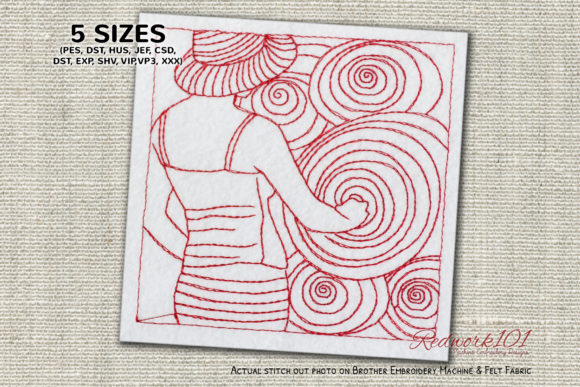
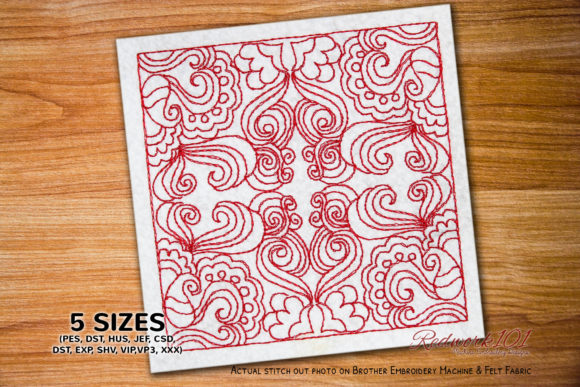
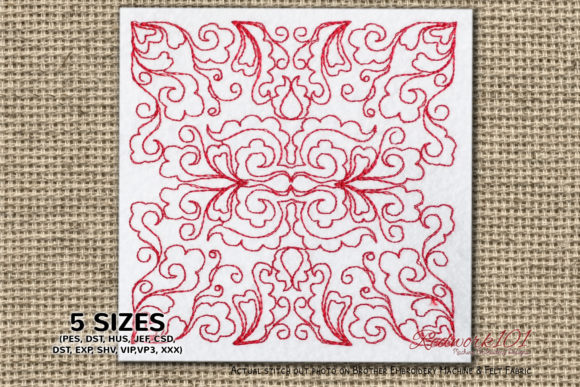
The immediate standout feature of the Baroque Design Pattern is its intricate detailing. True to its name, the design carries the heavy, decorative weight characteristic of Baroque art, featuring swirling lines and complex motifs that demand attention. Visually, it exudes a sense of luxury and tradition. For a designer, this means the pattern has a strong "stitching personality." It is not a subtle background element; it is intended to be the focal point.
When viewing the preview images, one notices the interplay between what appears to be satin stitch borders and potential fill stitch areas. The description notes that the "Box Stitch shown in picture is optional," which is a crucial detail. This flexibility suggests that the design can be adapted to fit different aesthetic needs—whether you want a framed, contained look or a more organic, floating motif. The note regarding the outer box color being different in most designs unless part of the design itself indicates a thoughtful approach to layering, allowing the embroiderer to customize the contrast based on the fabric choice.
Practical Application in Commercial Embroidery
For those of us running small businesses or selling on platforms like Etsy, the true test of any digital embroidery file is its application on sellable goods. The Baroque Design Pattern fits naturally into several high-value product categories.
- Home Decor: This design shines on pillow covers and nursery decor. The ornate nature of the pattern elevates a simple linen cushion into a boutique merchandise item. It would also look stunning on a heavy cotton kitchen towel, provided the stitch density is managed correctly to prevent puckering.
- Apparel and Accessories: Imagine this pattern centered on the back of a denim jacket or as a large chest emblem on a premium sweatshirt. The complexity of the design justifies a higher price point for custom apparel. It could also serve as a sophisticated tote bag design, appealing to customers looking for unique, non-generic accessories.
- Handmade Gifts: For personalized gifts, such as a monogrammed apron or a special occasion baby blanket, this pattern adds a level of craftsmanship that mass-produced items cannot match.
The key to successfully using this in a commercial setting lies in presentation. When creating printable mockups for your online store, the rich details of the Baroque Design Pattern photograph beautifully under good lighting. This visual appeal directly impacts buyer trust and engagement, signaling that your finished product is of high quality.
Technical Considerations and Stitching Challenges
While the aesthetic potential is high, practical execution requires careful planning. As with any detailed Paisley-inspired or baroque-style embroidery, there are technical hurdles to consider before hooping up your machine.
Fabric and Stabilizer Selection
The density of the stitches in such an ornate design can be demanding. If you are working on stretchy fabric like a sweatshirt or a knit cap, using the correct stabilizer is non-negotiable. A cut-away stabilizer is likely necessary to support the weight of the thread and prevent the design from distorting over time, especially for items that will undergo frequent washing. On textured fabric like towels, you may need a water-soluble topper to ensure the fine details of the running stitch or satin columns do not sink into the pile.
Hoop Size and Placement
One must verify the hoop size requirements before purchasing. Ornate patterns often require a larger hoop to accommodate the full span of the swirls. If you intend to use this on smaller items like a cap or an embroidered patch, you need to confirm if the design can be resized without losing definition. Tiny lettering or extremely fine lines can become a muddy mess if scaled down too much. Always check the product details on the Creative Fabrica page for specific dimensions and recommended hoop sizes.
Thread Colors and Contrast
The product description mentions that the color of the outer box varies. This is an opportunity for creative control. When stitching on dark fabric, you must ensure your thread colors provide enough contrast to make the design pop. Conversely, on light fabrics, a tonal thread choice might offer a subtle, elegant look. Testing on scrap fabric is essential to see how the light reflects off the different stitch types within the design.
Enhancing Brand Value and Consistency
Incorporating a distinct design like the Baroque Design Pattern into your product line can significantly affect your brand consistency. If your handmade shop focuses on vintage, romantic, or high-end rustic themes, this asset aligns perfectly with that narrative. It helps in building a cohesive visual identity across your Etsy listings and craft fair displays.
Furthermore, the perceived value of a product increases with the complexity of the embroidery. Customers are often willing to pay more for items that clearly required skill and time to produce. By using a design with such elaborate details, you signal expertise. However, this also raises the stakes for quality control. You must inspect small details after stitching to ensure there are no thread breaks or bird nests, as flaws are more visible in dense, decorative work.
Final Verdict for Designers
The Baroque Design Pattern is a robust asset for the experienced embroiderer who understands how to manage stitch density and fabric choices. It is not necessarily a "plug-and-play" solution for beginners who might struggle with complex layering or stabilizer selection, but for professionals, it offers a fantastic foundation for creating premium goods.
Before downloading, I strongly advise reviewing the licensing terms on the Creative Fabrica embroidery product page. Ensure that the license allows for the number of physical items you plan to sell if you are using this for commercial embroidery projects. Additionally, since specific file formats and exact stitch counts were not detailed in the brief overview, checking the full product listing is vital to ensure compatibility with your specific machine brand.
In summary, if you are looking to expand your catalog with something that screams "handmade luxury," this pattern is worth considering. Just remember to test on scraps, respect the limitations of your hoop size, and choose your stabilizers wisely. With the right execution, the Baroque Design Pattern can transform simple textiles into cherished heirlooms and profitable inventory.