Review: 1968 Ford Mustang Fastback Redwork Design
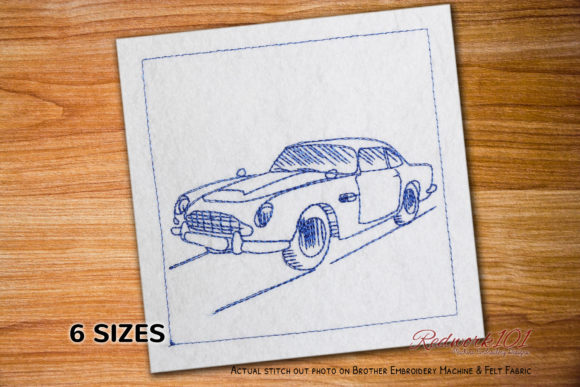
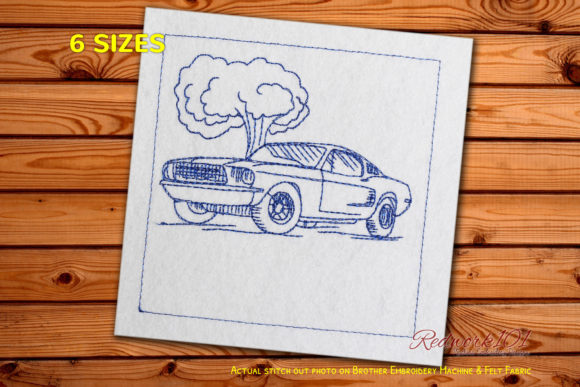
As a designer who spends more time staring at stitch simulations than most people care to admit, I approach every new machine embroidery design with a mix of curiosity and skepticism. When I first pulled up the 1968 Ford Mustang Fastback Redwork file on my screen, I wasn't just looking for a car; I was looking for character. In the world of Transportation themed Embroidery, it is all too easy to find generic, blocky outlines that lack soul. However, this specific redwork rendition of the iconic '68 Fastback immediately struck a chord. The lines are clean, the silhouette is unmistakable, and the simplicity of the redwork style gives it a vintage appeal that feels both nostalgic and modern.
First Impressions and Visual Personality
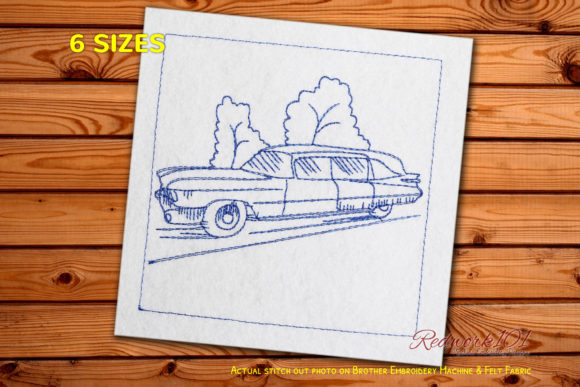
The immediate mood this design creates is one of classic Americana. There is something inherently cool about the 1968 Mustang, and capturing that in thread requires a delicate balance of detail and minimalism. This embroidery file leans heavily into the latter, which is exactly what makes it versatile. The redwork technique, utilizing primarily running stitches or light fill stitches depending on your machine settings, allows the fabric texture to breathe. Unlike dense satin stitch logos that can feel heavy and plastic-like, this design feels integrated into the material.
The layout is horizontal and balanced, making it an ideal candidate for chest logos on sweatshirts or centered designs on tote bags. The absence of heavy shading means there are no tricky gradient transitions to worry about, which reduces the risk of thread breaks or bird nesting during the stitching process. For an Etsy seller or craft business owner, this reliability is gold. You want a design that runs smoothly so you can focus on finishing the product rather than troubleshooting the machine.
Real-World Application: The Custom Tote Scenario
To truly evaluate this design, I envisioned a specific project: a custom canvas tote bag for a car enthusiast's birthday. Canvas is a textured fabric, and often, detailed designs get lost in the weave. However, the bold outlines of the 1968 Ford Mustang Fastback Redwork stand up beautifully against the rougher surface of a 10oz canvas. I pictured using a deep crimson thread to contrast against a natural beige bag, creating a look that screams "boutique product" rather than mass-produced merchandise.
In this scenario, the optional box stitch mentioned in the product details becomes a crucial design decision. If you are aiming for a patch-like aesthetic, keeping the border adds a framed, professional finish. However, if you want the car to feel like it is driving freely across the fabric, skipping the box allows the negative space to do the work. For a handmade product intended as a personalized gift, I would likely skip the box to keep the look organic and less rigid. This flexibility allows the same digital embroidery file to serve two different branding styles within a small shop.
Performance on Various Fabrics and Products
Beyond tote bags, this design shines in several other areas of custom apparel. On a heather grey sweatshirt, the redwork style offers a subtle, understated look that appeals to adults who might find large, colorful graphics too juvenile. It works exceptionally well for sweatshirt embroidery where comfort is key; low stitch density means the inside of the garment remains soft against the skin, avoiding that scratchy feeling common with heavy fills.
For those interested in baby embroidery, this could be a fantastic choice for a nursery theme, provided the thread colors are softened. A pastel blue or mint green version of this Mustang could adorn a onesie or a blanket without overwhelming the small scale of the item. Similarly, for holiday embroidery gifts, such as Christmas stockings for a grandfather who loves classic cars, this design hits the perfect note of personalization.
However, caution is advised when applying this to curved surfaces like caps. While the outline is generally robust, the long horizontal nature of the car might distort slightly on the front panel of a structured cap if not hooped correctly. Additionally, on very stretchy fabrics like thin jersey t-shirts, the running stitches inherent in redwork designs can pucker if the stabilizer isn't substantial enough. Always test on scrap fabric first to gauge how the stitch density interacts with the stretch of your chosen material.
Technical Considerations for Professional Results
From a technical standpoint, the clarity of the stitching is paramount. Since redwork relies on line quality, any inconsistency in tension will be immediately visible. Before committing to a client order or a batch of inventory for your small shop product line, run a test on the actual fabric you intend to use. Pay close attention to the wheel wells and the grille area; these are often the tightest corners in vehicle designs. If the machine struggles here, you may need to adjust the pull compensation or simplify the path in your editing software.
Thread color contrast is another vital factor. While the design is titled "Redwork," do not feel confined to red thread. This design acts as a fantastic template for monochromatic looks. Try black thread on white denim for a high-contrast, graphic tee vibe, or navy on khaki for a preppy, nautical twist. Testing the design in black and white mockups before stitching can save you time and materials, ensuring the silhouette reads clearly regardless of the color palette.
It is also important to address the product note regarding the outer box. The description states the box stitch is optional and may appear in a different color in previews. This implies that the file likely contains separate color stops or layers. Verify this in your embroidery software before loading it onto the machine. If you intend to sell the finished product commercially, ensure you understand the licensing terms associated with this design asset. Most designers allow the sale of physical stitched items but restrict the resale of the digital file itself.
Enhancing Brand Value and Customer Trust
Ultimately, the value of a design like the 1968 Ford Mustang Fastback Redwork lies in its ability to elevate the perceived quality of your goods. In a market saturated with generic clipart, offering a well-digitized, theme-specific design shows attention to detail. Customers trust brands that offer cohesive, thoughtful products. Whether you are creating an embroidered patch for a motorcycle club or a tea towel for a kitchenware boutique, the professionalism of the stitch-out reflects directly on your brand.
The visual appeal of this design encourages engagement. It sparks conversation, which is essential for Etsy listings and craft fair displays. A potential buyer seeing this on a pillow cover is more likely to stop and ask about the customization options, opening the door for upselling services like adding names or dates. The recognition factor of the Mustang shape ensures instant connection, while the redwork style keeps it fresh and adaptable to current interior design trends.
Final Verdict for Designers and Makers
In conclusion, the 1968 Ford Mustang Fastback Redwork is a solid addition to any designer's library. It bridges the gap between hobbyist fun and commercial viability. Its strength lies in its simplicity and adaptability across various fabric textures and product types. While it requires standard due diligence regarding stabilizer choice and hoop sizing—details you should confirm based on your specific machine capabilities—it offers a high reward in terms of aesthetic impact.
For the creative entrepreneur looking to expand their Transportation category without sacrificing quality, this file is a practical, reliable choice. Just remember to respect the nuances of the file structure regarding the optional box, test your tension on scraps, and let the classic lines of the Fastback do the talking. With the right execution, this design can become a staple in your portfolio of printable mockup previews and physical inventory alike.