Review: The Brown Spotted Bengal Cat Redwork Design
As a designer who spends more time at the hoop than away from it, I approach every new machine embroidery design with a critical eye. It is not just about whether the image looks cute on a screen; it is about how those digital vectors translate into thread, tension, and texture on actual fabric. Today, I am taking a close look at The Brown Spotted Bengal Cat Redwork. This isn't a standard fill or satin stitch heavy piece; it is a redwork style design, which immediately signals a specific aesthetic and a set of technical considerations for anyone planning to use it in a craft business or for personal gifting.
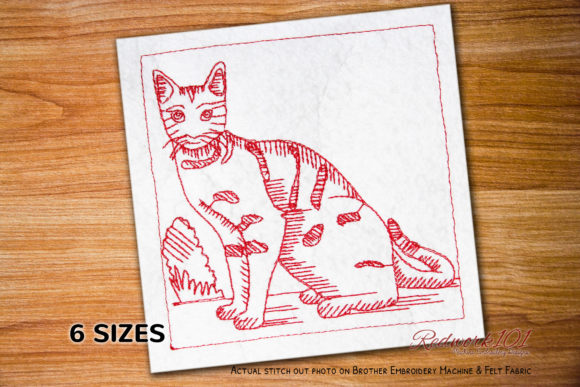
My first impression of this embroidery file is one of elegant simplicity. The reliance on outline stitching rather than dense fills gives the Bengal cat a timeless, sketch-like quality. In the world of Cats themed Embroidery, there is often a temptation to over-complicate fur textures with thousands of stitches. This design resists that urge. Instead, it captures the distinctive spotted coat and the sleek posture of the Bengal through confident line work. The mood it creates is warm and inviting, perfect for projects that need to feel handmade and thoughtful rather than mass-produced.
Real-World Application: The Tote Bag Test
To truly evaluate The Brown Spotted Bengal Cat Redwork, I imagined a specific client scenario. A local boutique owner wanted a series of eco-friendly tote bags featuring local wildlife motifs. She needed something that would stitch quickly to keep labor costs down but still look premium enough to justify a higher price point. This design fits that brief perfectly.
When stitched onto a canvas tote bag design, the redwork style shines. Because there are no large areas of fill stitch or heavy satin stitch columns, the fabric remains flexible. A heavy fill can sometimes make a tote bag stiff or cause the material to pucker over time, especially when the bag is loaded with groceries. With this Bengal cat, the stitch density is low enough that the natural drape of the canvas is preserved. Visually, the single-color outline (traditionally red, though easily customizable) pops against neutral fabrics, creating a striking finished product that appeals to animal lovers without being overly childish.
Versatility Across Products
Beyond tote bags, I see this embroidery project working exceptionally well across a wide range of items. For custom apparel, such as a linen button-down or a cotton sweatshirt embroidery project, the lightness of the design is a major asset. Heavy designs on sweatshirts can sometimes feel like a plastic patch glued to the chest; this redwork feels integrated into the garment.
It is also an excellent candidate for baby embroidery. Parents often worry about scratchy threads or stiff patches against sensitive skin. Since this design relies mostly on running stitches with minimal backing bulk, it is gentle enough for a nursery blanket or a onesie. Furthermore, for Etsy seller accounts looking to expand their catalog, this design serves as a versatile design asset. It can be used for holiday embroidery gifts, personalized pillows, or even as part of a larger collage on a quilt. The simplicity allows it to scale well, provided you respect the minimum size limits of the original file.
Navigating Technical Challenges
However, no design is without its quirks, and a professional review must address where caution is needed. While the lack of dense filling is generally a pro, it can be a con if you are working with difficult fabrics. On highly textured fabrics like thick terrycloth or fuzzy fleece, fine running stitches can get lost or appear uneven. The "spots" on the Bengal, which are likely small closed shapes or intricate curves in the outline, require a sharp needle and good tension control to ensure they don't look jagged.
If you are planning to use this on a cap or a curved surface, be mindful of the hoop placement. Redwork designs show distortion easily because there is no solid fill to hide slight pulling. A stabilizer with strong tear-away or cut-away properties is essential here to prevent the design from warping after washing. Additionally, if you choose to stitch this on dark fabric, remember that redwork traditionally uses a contrasting thread. You will need to manually change the thread colors in your machine software to ensure the outline stands out; a dark brown thread on a black shirt will render the small shop product invisible.
One specific note regarding the product description: the listing mentions an optional box stitch. In my experience, decorative borders like this can date a design or limit where it can be placed. For a modern handmade product, I often recommend skipping the outer box unless it is integral to a specific patch layout. Removing it gives you more freedom to place the cat on a pocket, a sleeve, or the corner of a towel without the constraint of a square frame.
Enhancing Brand Value and Customer Trust
From a business perspective, the clarity of The Brown Spotted Bengal Cat Redwork contributes significantly to brand perception. When customers receive a personalized gift or a boutique item, they associate clean, crisp stitching with quality. Sloppy, overly dense, or puckered embroidery suggests a lack of care. This design, when executed correctly with proper stabilization and thread choice, exudes professionalism.
For those creating printable mockup files or digital previews for their online stores, this design photographs beautifully. The high contrast of the line work translates well to images, making it an effective tool for driving buyer engagement. It tells a story of craftsmanship. Whether you are selling a digital embroidery file for others to use or selling the physical embroidered patch or garment, the aesthetic value is high.
Final Designer Notes and Best Practices
Before committing this design to a final client order or a large batch of inventory, I strongly advise a few practical steps. First, always test the design on a scrap piece of the exact fabric you intend to use. Check how the thread interacts with the weave. Second, review the stitch sequence. Ensure that the travel stitches between the spots and the outline are trimmed or managed well, as redwork leaves little room to hide jumps.
Verify the hoop size requirements. While redwork is often compact, ensure your hoop accommodates the full span of the cat's tail and ears without crowding. If you are unsure about the license terms regarding commercial use, check the specific documentation provided with the download. Some designers allow unlimited sales of finished physical goods but restrict the resale of the digital file itself.
In conclusion, The Brown Spotted Bengal Cat Redwork is a standout choice for designers who value efficiency and elegance. It bridges the gap between hobbyist charm and commercial viability. By understanding its strengths in lightweight applications and respecting its limitations on textured surfaces, you can create stunning Cats themed Embroidery that resonates with customers and stands the test of time.