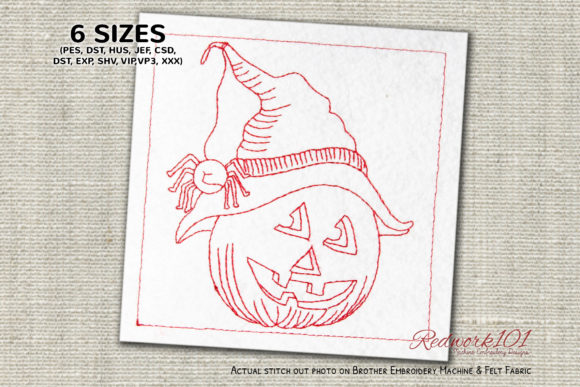
Review: Happy Halloween Holidays Redwork Design
As someone who spends more time at the embroidery machine than away from it, I approach every new machine embroidery design with a mix of excitement and skepticism. We've all been there: you buy a file based on a cute thumbnail, only to find out the stitch density is a mess or the details vanish on textured fabric. That's why I took a close look at the Happy Halloween Holidays Redwork Design before committing it to any client projects or personal holiday gifts. This isn't just about whether it looks cute on a screen; it's about how it performs when the needle hits the fabric.
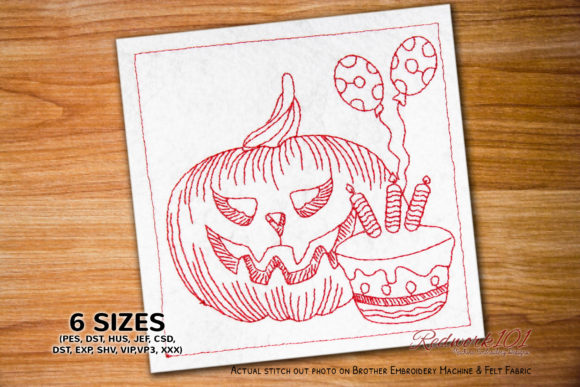
My first impression of this design is that it leans heavily into the classic, nostalgic side of the season. Redwork has a specific charm—it's simple, linear, and relies on the strength of the outline rather than dense fill areas to make an impact. The Happy Halloween Holidays Redwork Design captures that vintage aesthetic perfectly. It feels like something you'd find on a heirloom quilt from the early 1900s, which gives it a timeless quality that trendy, overly complex designs often lack. For designers looking to create products that feel handmade and authentic rather than mass-produced, this visual personality is a huge asset.
Real-World Application: The Tote Bag Test
To truly evaluate this embroidery file, I needed a real-world scenario. I decided to test it on a canvas tote bag, a staple item for many Etsy sellers and craft fair vendors during the autumn months. Canvas is a forgiving but textured medium, making it a great litmus test for redwork styles. Since redwork primarily utilizes a running stitch, the way the thread sits on the weave of the canvas is critical.
Upon stitching the Happy Halloween Holidays Redwork Design onto the tote, the results were crisp. The simplicity of the line work allowed the texture of the canvas to show through without the design getting lost, a common issue with heavy fill stitch patterns on rougher fabrics. The optional box stitch mentioned in the product description adds a nice framing element. In my test, I chose to omit the box to let the design breathe on the larger surface area of the bag, but I can see how including it would create a neat, patch-like effect for smaller applications like pocket accents or labels.
This design shines particularly well for custom apparel and home goods where a subtle nod to the holiday is preferred over loud, graphic statements. Imagine this stitched onto a linen tea towel for a hostess gift or as a delicate accent on a child's sweatshirt embroidery project. Because it avoids heavy saturation, it doesn't stiffen the fabric, which is crucial for wearable items and things that need to be washed frequently.
Navigating Fabric Choices and Technical Constraints
While the design is versatile, there are specific scenarios where you need to exercise caution. Redwork designs live and die by their line quality. If you are planning to use the Happy Halloween Holidays Redwork Design on stretchy knits or very thin fabrics, your choice of stabilizer becomes the most important variable in the equation. Without adequate support, the running stitches can pucker, distorting the playful shapes of the Halloween elements.
I also considered how this would perform on dark fabrics. Traditionally, redwork is stitched in red thread on white or cream fabric. However, modern thread colors offer endless possibilities. If you decide to stitch this on a black hoodie or a navy pillow cover, ensure you have high-contrast thread. A deep burgundy might look sophisticated, but if the contrast isn't sharp enough, the details will muddy together. Conversely, using a bright orange or electric green could shift the mood from vintage to modern pop-art, depending on your brand identity.
One thing to note regarding the product description is the mention of the outer box color. The notes indicate that the box color often differs from the main design unless it is integral. This suggests some flexibility in how the file is structured, but it also means you must check your specific digital embroidery file settings before hooping. Always verify the color stops in your software. If the box is intended to be a different color for framing, make sure your machine doesn't try to blend it unintentionally with the main motif.
Commercial Viability and Brand Consistency
For small shop product creators and boutique owners, consistency is key. The Happy Halloween Holidays Redwork Design offers a level of professionalism that boosts buyer engagement. Customers today are savvy; they can tell the difference between a cheap, pixelated transfer and a genuine handmade product. The clean lines of this design signal quality. It works exceptionally well for personalized gifts where you might add a monogram or a name below the motif. The open space around the redwork elements provides ample room for additional lettering without overcrowding the hoop.
However, before listing this as a printable mockup or selling finished items, you must confirm the licensing terms. The product description hints at usage rights but doesn't explicitly detail commercial allowances for the design assets. As a professional rule of thumb, never assume a file is free for commercial use unless stated clearly. Check if the license covers unlimited physical sales or if there are caps on production numbers. This due diligence protects your craft business from potential legal headaches down the road.
Final Verdict: A Solid Addition to Your Library
After putting the Happy Halloween Holidays Redwork Design through its paces, I'm confident recommending it for designers who value clarity and classic style. It's not a design that tries to do too much; instead, it executes a specific aesthetic very well. It is ideal for holiday embroidery projects that need to feel cozy and traditional.
Here are a few practical takeaways for your next project:
- Test on scraps first: Always run a sample on the exact fabric weight you intend to use for the final finished product.
- Check the hoop size: Ensure the design fits comfortably within your hoop, especially if you plan to add custom text nearby.
- Mind the density: While redwork is generally light, verify that the running stitch length is appropriate for your fabric type to prevent looping.
- Contrast is king: Whether sticking to traditional red or experimenting with new palettes, ensure the thread stands out against the background.
In the world of commercial embroidery, reliability is everything. This design delivers a consistent result that looks good on everything from a sturdy embroidered patch to a delicate baby onesie. It respects the limitations of the medium while maximizing visual appeal. If you are looking to expand your autumn collection with something that feels both nostalgic and fresh, this redwork design is a worthy investment. Just remember to do your homework on the licensing and stabilize your fabric properly, and you'll have a winner on your hands.