Review: Big Argentine Ant Redwork for Commercial Use
As an embroidery designer who spends most of my days digitizing and stitching for clients, I am always cautious about downloading new machine embroidery design files. The market is flooded with generic assets, but occasionally, a file stands out for its potential in real-world applications. Recently, I evaluated the Big Argentine Ant Redwork from Creative Fabrica to see if it could hold up under the demands of commercial production. This isn't just a casual look at a cute bug; it is an assessment of whether this digital embroidery file can translate into a high-quality finished product for customers.
First Impressions and Visual Mood
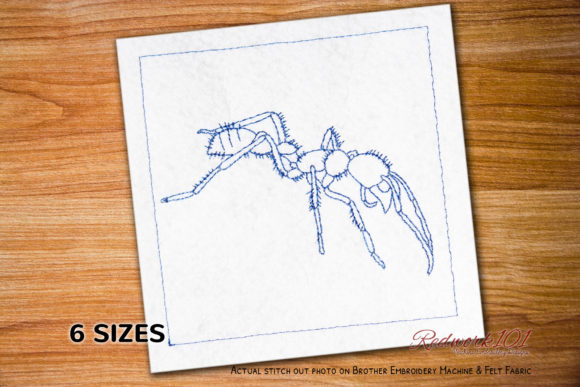
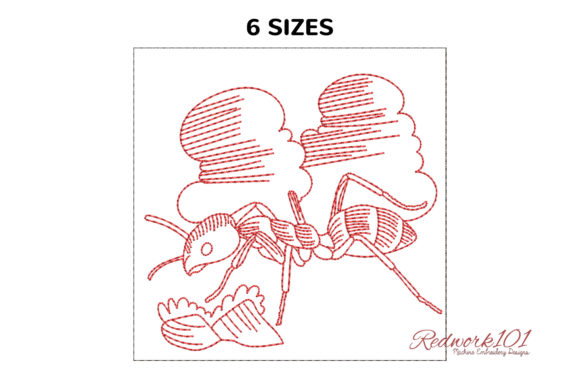
When I first pulled up the preview for the Big Argentine Ant Redwork, the immediate appeal was its simplicity. In the world of Embroidery, specifically within the Bugs category, there is often a tendency to over-complicate designs with excessive fill stitches that can look muddy on smaller items. This design, however, leans into the classic redwork aesthetic. It relies heavily on clean outlines, likely utilizing running stitch or a light satin stitch to define the form of the ant without overwhelming the fabric.
The visual mood is rustic yet modern, making it incredibly versatile. It feels at home on a farmhouse-style kitchen towel just as much as it does on a trendy tote bag. The "redwork" style implies a single-color thread scheme, which is excellent for brand consistency and reducing thread changes during production runs. However, the description notes that the outer box stitch is optional and often a different color. This flexibility is a huge plus for a professional designer, as it allows us to adapt the embroidery file to match specific client colorways or fabric choices without needing to re-digitize the entire pattern.
Performance on Real Projects
The true test of any Creative Fabrica embroidery asset is how it performs when stitched out on actual goods. I imagined using the Big Argentine Ant Redwork for a variety of orders I frequently receive. For custom apparel, such as a linen apron or a canvas tote, the open nature of a redwork design is ideal. It prevents the fabric from puckering, which is a common issue with dense fill stitches on lightweight materials.
For sweatshirt embroidery, the design offers a great opportunity for texture. If stitched on a French terry or fleece, the outline of the ant would pop beautifully against the looped background. I could also see this working well as an embroidered patch. By adding a merrowed edge or a simple satin border around the optional box, this design could become a standalone accessory for jackets or hats. The simplicity of the lines ensures that even on a curved cap surface, the design would not distort significantly, provided the hooping technique is correct.
In terms of commercial embroidery, speed is money. A design that minimizes jump stitches and trim times while maximizing visual impact is gold. If this file utilizes efficient pathing, it could be a staple for quick-turnaround items like baby blankets or nursery decor. The subject matter fits perfectly into the current trend of nature-inspired and educational themes for children's rooms.
Technical Considerations and Fabric Challenges
While the design looks promising, there are practical factors every embroiderer must consider before committing to a production run. One major consideration is stitch density. Redwork designs are generally lighter, but if the lines are too sparse, they may not cover dark fabrics effectively. If you plan to stitch the Big Argentine Ant Redwork on black or navy material, you must check if the file includes an underlay or if you need to manually add one to prevent the fabric from showing through the stitches.
Fabric choice is equally critical. For stretchy fabrics like jersey knits used in custom apparel, the use of a cut-away stabilizer is non-negotiable. Even though redwork is less dense, the tension of the thread can still cause distortion over time if the backing isn't robust enough. Conversely, for woven items like pillow covers or table runners, a tear-away stabilizer might suffice, but testing on scrap fabric is essential.
Another technical note involves the optional box mentioned in the product description. If you choose to include it, ensure your hoop size can accommodate the full dimensions without cropping. If you skip the box to focus solely on the ant, verify that the remaining design elements are balanced and do not look incomplete. Additionally, small details in bug designs, such as antennae or legs, can be fragile. On items that require frequent washing, like kitchen towels or baby clothes, these fine lines must be secure. I recommend reviewing the stitch count and density settings in your embroidery software before loading the file onto the machine.
Enhancing Product Value and Brand Appeal
Using a distinct design like the Big Argentine Ant Redwork can significantly elevate the perceived value of your handmade product. In a marketplace saturated with generic clipart, offering a professionally stitched, unique insect motif sets your brand apart. It signals to buyers that you curate your design assets carefully. This attention to detail builds buyer trust and encourages repeat business.
For Etsy sellers and boutique owners, the visual appeal of this design translates well into printable mockup photography. The clean lines photograph beautifully, allowing you to create compelling listings for social media. Whether you are marketing it as a personalized gift for a nature lover or a quirky addition to a home decor collection, the versatility of the redwork style allows for diverse branding strategies. You can easily pair it with handwritten fonts or botanical elements to create a cohesive collection.
Final Verdict and Usage Tips
After reviewing the capabilities and potential applications of the Big Argentine Ant Redwork, it appears to be a solid addition to a professional designer's library. Its strength lies in its adaptability across different fabrics and product types, from rugged patches to delicate baby items. However, success depends on proper preparation.
Before starting your next project, keep these practical steps in mind:
- Test on scrap fabric: Always stitch a sample on the same material you intend to use for the final product to check for registration and tension issues.
- Check thread contrast: Ensure your chosen thread colors provide enough contrast against the fabric, especially if skipping the optional box.
- Review stitch density: Inspect the file in your editing software to ensure the lines are thick enough for durability but light enough to avoid puckering.
- Confirm hoop size: Verify that your machine's hoop can handle the design dimensions, particularly if including the outer border.
- Use proper stabilizer: Match your stabilizer type to the fabric weight and stretch characteristics.
- Inspect small details: After stitching, closely examine the legs and antennae to ensure they are secure and well-formed.
- Verify licensing: Always confirm file details and licensing terms on the Creative Fabrica product page before selling finished items commercially.
It is important to note that specific technical data such as exact stitch counts, available file formats, or specific machine compatibility were not detailed in the brief product overview. Therefore, I strongly advise visiting the product page to download the full specification sheet before purchasing. By taking these precautions, the Big Argentine Ant Redwork can become a reliable asset in your portfolio, helping you create beautiful, sellable goods that resonate with customers.