Little Bear: A Charming Machine Embroidery Design for Personalized Gifts
As an experienced embroidery designer who spends countless hours testing digital embroidery files for my own personalized gift shop, I approach every new download with a critical eye. When I recently acquired the Little Bear design from the Baby Animals category, I wasn't just looking for a cute image; I was evaluating its potential as a revenue-generating asset for my small business. This review breaks down how this specific machine embroidery design performs when translated from a screen to a tangible handmade product, helping fellow crafters and Etsy sellers decide if it fits their inventory.
First Impressions: Mood, Charm, and Emotional Appeal
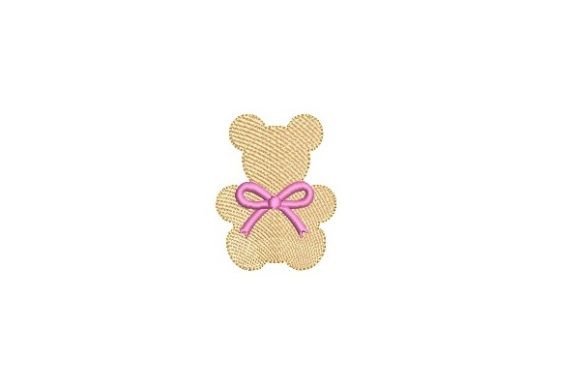
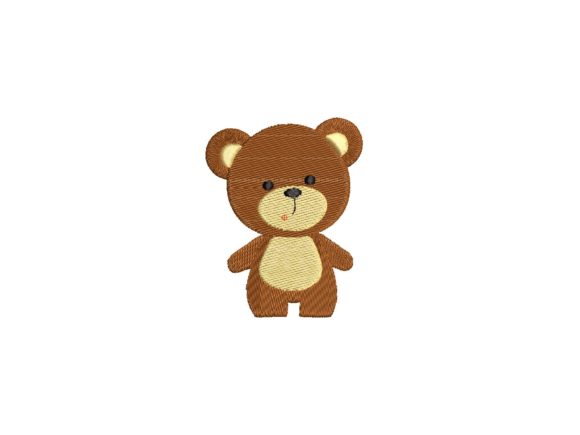
Upon loading the file into my editing software, the immediate impression of Little Bear is one of gentle warmth. The design exudes a classic, timeless charm that feels neither overly trendy nor dated. It strikes a perfect balance between playful and elegant, making it versatile enough for a high-end boutique or a cozy home crafter. The line work suggests a softness that translates beautifully into thread, promising a finished look that feels handmade with care rather than mass-produced.
The emotional appeal of this design is its strongest asset. In the world of custom embroidery, customers are buying feelings as much as they are buying stitches. Little Bear taps directly into nostalgia and comfort. It is the kind of motif that makes a grandmother smile or a new parent feel a surge of affection. For a gift shop owner, this emotional connection is gold; it turns a simple towel or blanket into a cherished keepsake.
Versatility Across Product Lines
One of the most exciting aspects of testing Little Bear was visualizing its application across various products. While it naturally fits into the realm of baby embroidery, limiting it to onesies would be a mistake. Here is how I see this design performing in a real-world catalog:
- Baby Blankets and Nursery Decor: The soft aesthetic makes it ideal for blanket embroidery on minky or cotton flannel. It serves as a focal point for nursery wall hangings or crib sheets.
- Kitchen and Bath Linens: Imagine this bear stitched onto a waffle-weave tea towel or a plush bath towel. An embroidered towel featuring this character becomes an instant housewarming or baby shower favorite.
- Apparel and Accessories: From bibs to adult aprons, the design scales well. It adds a touch of whimsy to a custom tote bag, making it a perfect "thank you" gift for teachers or friends.
- Home Textiles: A pillow cover adorned with Little Bear can elevate a living room sofa or a child's reading nook, offering a sophisticated yet cozy vibe.
For Etsy sellers and craft fair vendors, this versatility means you can create a cohesive collection. You aren't just selling a design; you are selling a themed lifestyle brand centered around comfort and family.
Technical Considerations and Fabric Challenges
While the artistic merit of Little Bear is high, practical execution requires attention to detail. As a professional, I always advise testing on scrap fabric before committing to expensive materials. Here are the specific technical areas where caution is needed:
Fabric Texture and Pile: When stitching on thick towels or high-pile fabrics, the delicate details of the bear's face could get lost if the stitch density is too low or if the fabric pushes through the stitches. Using a water-soluble topper is highly recommended to keep the definition crisp.
Stretchy Materials: Baby clothes often utilize stretchy knits. Without the proper stabilizer, the circular shapes in the design might distort after washing. I recommend a cut-away stabilizer for garments that will undergo frequent laundering to maintain the shape of the bear over time.
Dark Fabrics: The charm of Little Bear relies heavily on contrast. On dark navy or charcoal fabrics, you must carefully select thread colors that pop without clashing. A mockup on dark fabric is essential before stitching to ensure the bear doesn't look muddy.
Small Lettering and Details: If your version of the design includes any text or very fine facial features, be mindful of the hoop size limitations. Cramping a detailed design into a small hoop can lead to registration issues. Always check the required hoop dimensions provided in the file details before purchasing.
Enhancing Perceived Value and Customer Trust
In the competitive market of small shop products, perceived value is everything. A well-executed Little Bear embroidery signals quality. When a customer receives a product with clean satin stitches, no puckering, and thoughtful color choices, their trust in your brand skyrockets. This design aids in creating that "wow" factor.
Furthermore, the photogenic nature of this design boosts buyer engagement. For online sellers, creating a printable mockup or staging a photoshoot with the finished product is easier when the subject is universally appealing. Images of Little Bear on a soft, folded blanket or a rustic wooden hanger perform exceptionally well on social media, driving traffic to your listings.
Practical Notes for the Professional Maker
Before adding Little Bear to your production queue, keep these final professional tips in mind:
- Verify File Specifications: The listing notes that this is a digital file requiring an embroidery machine. However, always double-check the specific formats (PES, DST, JEF, etc.) included to ensure compatibility with your specific machine model.
- Review Licensing Terms: The description mentions commercial use implications indirectly. It is vital to confirm the license terms regarding commercial embroidery. Can you sell unlimited finished goods? Are there restrictions on resizing? Never assume; read the license agreement included with the download.
- Test Stitch Density: Run a test stitch-out on a similar weight fabric to your final product. Check if the density causes the fabric to pucker or if the underlay is sufficient for stability.
- Color Contrast Checks: Experiment with different thread palettes. While standard browns and tans are safe, consider seasonal variations like pastels for spring or deep jewel tones for holiday gifts to maximize sales potential.
In conclusion, Little Bear is more than just a cute image; it is a strategic tool for embroidery designers looking to expand their personalized gift offerings. Its adaptability across wedding gifts, baby items, and home decor makes it a staple worth investing in. By paying attention to fabric selection, stabilization, and licensing, you can transform this digital embroidery file into a best-selling finished product that delights customers and grows your business.