Leprechaun Dragon in Forest Redwork: A Designer's Review
As an embroidery designer who spends countless hours testing machine embroidery design files for a personalized gift shop, I am always on the lookout for patterns that strike a balance between whimsy and technical excellence. Recently, I pulled the Leprechaun Dragon in Forest Redwork from my digital library to see how it would perform on real customer orders. This piece falls under the Wild Animals category but offers a fantasy twist that feels incredibly unique for Embroidery projects. My goal was simple: determine if this design holds up as a premium handmade product for discerning clients looking for something truly special.
First Impressions: Charm and Character
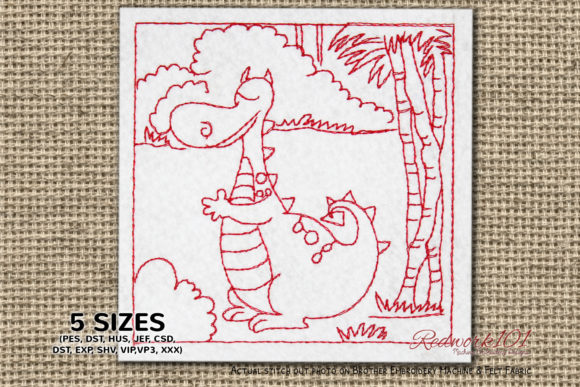
The moment I loaded the digital embroidery file into my software, the charm of the Leprechaun Dragon in Forest Redwork was undeniable. The description notes that the dragon is standing in a forest with coconut trees on its side and greenery everywhere in the jungle. Visually, this creates a lush, immersive scene that feels both playful and slightly mysterious. The "Redwork" style suggests a classic, single-color aesthetic that often reads as vintage or traditional, yet the subject matter—a dragon in a tropical jungle—is surprisingly modern and imaginative.
The mood of this design is sweet and adventurous. It does not feel aggressive; rather, the dragon appears to be a guardian of this lush, green world. For a small shop product, this emotional connection is vital. Customers do not just buy stitches; they buy a feeling. This design evokes a sense of wonder, making it perfect for storytelling through thread. The optional Box Stitch mentioned in the product details adds a layer of customization, allowing the maker to frame the scene elegantly or leave it open for a more organic look on items like tote bags or aprons.
Ideal Applications for Personalized Gifts
When planning inventory for a gift shop or an Etsy seller storefront, versatility is key. I tested the Leprechaun Dragon in Forest Redwork across several potential products to gauge its market fit.
- Baby Embroidery: This is arguably the strongest use case. The whimsical nature of a friendly dragon makes it an ideal centerpiece for a blanket embroidery project or a nursery wall hanging. Parents love unique themes that steer away from standard bears or bunnies.
- Kitchen and Home Decor: Imagine this design stitched onto a linen embroidered towel or a sturdy canvas apron. The jungle theme brings a pop of nature into the kitchen, appealing to customers who love gardening or tropical aesthetics.
- Tote Bags and Pillows: For a custom embroidery order, a pillow cover featuring this dragon would make a stunning accent piece for a child's reading nook. Similarly, a tote bag with this design serves as a functional art piece for book lovers or fantasy fans.
- Wedding and Family Keepsakes: While less traditional, the optional box stitch allows for a monogram to be added nearby, transforming this into a quirky wedding gift for a couple who loves travel or fantasy literature.
The ability to adapt this machine embroidery design to various substrates increases its perceived value. A customer seeing this on a high-quality linen napkin perceives it as a luxury item, whereas on a cotton tote, it feels like a fun, everyday accessory.
Technical Considerations and Fabric Challenges
While the artistic merit of the Leprechaun Dragon in Forest Redwork is high, a professional designer must address the technical realities of stitching it. The product description highlights dense greenery and coconut trees, which implies a significant amount of detail. Here is where caution is required.
First, consider the stitch density. Jungle scenes often require many small stitches to render leaves and textures. On thick towels or textured fabrics, this can lead to puckering if the stabilizer is not chosen correctly. I strongly advise using a cut-away stabilizer for stretchy baby clothes or knit fabrics to ensure the design remains crisp after washing. For woven fabrics like linen or cotton duck, a tear-away might suffice, but always test first.
Second, pay attention to the hoop size. The description mentions a forest scene with trees on the side, suggesting a wide aspect ratio. You must confirm the specific hoop requirements before purchasing the embroidery file. If the design is too large for a standard 5x7 hoop, you may need a larger machine or a split-stitch approach, which can complicate production for busy small business owners.
Third, fabric color matters immensely for Redwork. By definition, Redwork uses red thread on white or light fabric. However, if you attempt this on dark fabric without proper underlay or digitizing adjustments, the details of the dragon and the coconut trees may get lost. I recommend creating printable mockup comparisons on both light and dark fabrics to show clients what to expect. If the client insists on a dark background, discuss the need for a satin border or increased stitch coverage to maintain visibility.
Enhancing Perceived Value and Customer Trust
In the world of commercial embroidery, the finish of the finished product dictates customer trust. The Leprechaun Dragon in Forest Redwork has high "giftability" because it tells a story. When a customer receives a baby blanket with this intricate jungle scene, they immediately recognize the effort involved. This emotional resonance translates to higher engagement on social media and better reviews for your shop.
To maximize this value, focus on the presentation. Use high-contrast thread colors—even within the red spectrum, varying shades can add depth to the dragon's scales and the jungle foliage. Ensure that the small details, like the leaves on the coconut trees, are clean and free of bird nests. A clean backside of the embroidery is just as important as the front for building a reputation for quality.
Furthermore, this design appeals to a niche audience: those who love fantasy, nature, and unique character designs. By marketing this specifically as a "Fantasy Nursery Collection" or "Whimsical Kitchen Series," you can attract buyers who are tired of generic designs. This specificity builds brand loyalty and positions your shop as a curator of unique art, not just a manufacturer of goods.
Final Verdict and Production Notes
After reviewing the Leprechaun Dragon in Forest Redwork, I believe it is a strong contender for any personalized gift catalog. Its blend of classic Redwork style with a fantastical subject matter sets it apart. However, success lies in the execution.
Before running this on a customer's expensive heirloom blanket or custom tote, adhere to these practical steps:
- Test on Scrap Fabric: Always stitch a sample on the exact same material and weight as the final product to check for registration issues.
- Check Thread Contrast: Ensure the red thread stands out clearly against your chosen fabric background.
- Review Small Details: Inspect the coconut trees and greenery closely after stitching to ensure no fine lines have merged or broken.
- Confirm Licensing: Since this is intended for sale, verify the commercial licensing terms of the digital embroidery file to ensure you are compliant with the creator's rules.
- Clarify Missing Details: The product description mentions the outer box color is different and the box stitch is optional. Confirm these specifics with the file provider or your digitizer to avoid confusion during production.
In conclusion, the Leprechaun Dragon in Forest Redwork is a delightful addition to the Wild Animals and Embroidery repertoire. With careful attention to stabilizer choice, fabric selection, and finishing touches, it can become a best-seller for baby product creators, wedding gift designers, and anyone looking to add a touch of magical realism to their handmade offerings.