African Woman Applique: A Designer's Review for Real Projects
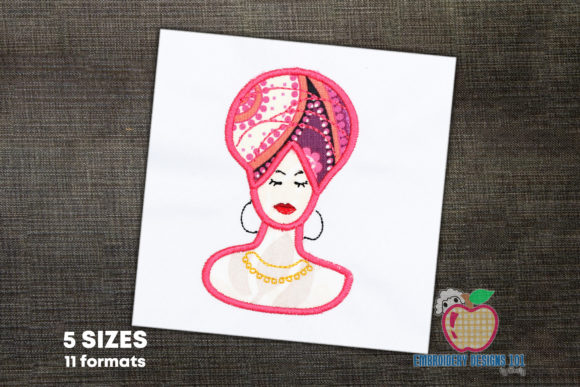
When I first loaded the African Woman Applique into my digitizing software to inspect the stitch path, I wasn't just looking at a pretty image; I was evaluating a potential asset for my client's boutique line. As a designer who has spent years troubleshooting thread breaks and managing customer expectations, my first impression is that this design carries a quiet dignity. The silhouette is strong, avoiding the caricature styles sometimes found in generic cultural motifs. Instead, it offers a profile that feels modern yet rooted in tradition, making it a versatile candidate for everything from high-end custom apparel to heartfelt personalized gifts.
Visual Personality and First Impressions
The mood created by this machine embroidery design is one of elegance and strength. The layout relies heavily on clean lines and distinct color blocks, which is typical of quality applique work. Unlike dense fill stitches that can make a design look heavy or stiff, this piece uses the fabric itself as part of the art. This approach gives the finished product a softer hand feel, which is crucial if you are stitching on items that will be worn close to the skin, like a baby onesie or a lightweight tee.
The visual personality here is bold without being loud. It doesn't scream for attention with excessive satin stitch borders or tiny, fragile running stitches that might vanish after a few washes. Instead, the design seems to prioritize longevity and clarity. For an Etsy seller or a small shop owner, this is gold. You want a design that looks professional in a printable mockup but also holds up when the customer unboxes their order. The African Woman Applique strikes that balance, offering a sophisticated aesthetic that elevates the perceived value of whatever item it adorns.
Real-World Application: The Tote Bag Test
To truly understand how this design performs, I imagined a specific real-life scenario: creating a run of canvas tote bags for a local community market. Canvas is a textured fabric, and it can be unforgiving with detailed embroidery. However, because the African Woman Applique separates steps by color changes, it allows for precise placement of the base fabric layers.
In this scenario, I would choose a warm, earth-toned linen or cotton blend for the applique pieces to contrast against a natural canvas bag. The result is a handmade product that feels artisanal and curated. The design's scale appears suitable for a standard tote, sitting comfortably on the front panel without overwhelming the bag's structure. If I were selling these as part of a craft business, the clean edges of the applique would signal to the buyer that this isn't mass-produced junk; it's a thoughtful, crafted item. This kind of presentation builds customer trust and encourages repeat business.
Versatility Across Product Lines
Beyond tote bags, this embroidery file shines in several other categories. For sweatshirt embroidery, the applique technique adds a lovely texture that stands out against fleece or French terry cloth. It transforms a basic hoodie into a statement piece. Similarly, for holiday embroidery projects, such as Kwanzaa celebrations or cultural heritage months, this design serves as a respectful and beautiful centerpiece on table runners or pillow covers.
I can also see this working well for custom apparel in a boutique setting. Imagine a denim jacket with this patch stitched on the back yoke. The layered nature of applique complements the rugged texture of denim perfectly. For those creating embroidered patches to sell separately, the defined shapes in this design make it easy to cut and finish, whether you are using a hot knife or merrow edging.
Technical Considerations and Fabric Challenges
While the design is robust, there are areas where a designer needs to exercise caution. Applique designs live or die by their foundation. If you are working on stretchy fabric like jersey knit for a t-shirt, you must use a high-quality cutaway stabilizer. A tear-away might seem convenient, but it won't provide the long-term support needed to keep the applique edges from curling or distorting over time.
Another consideration is dark fabric. Since this design likely utilizes light or mid-tone fabrics for the skin and clothing elements of the figure, placing it on a black garment requires careful planning. You may need to pre-stitch a white underlay or ensure your applique fabric is opaque enough so the dark background doesn't show through, altering the intended look of the African Woman Applique.
Small hoop sizes can also be tricky. If your machine only has a 4x4 hoop, you might find the design tight against the edges, leaving little room for error in positioning. Always check the dimensions of the digital embroidery file before committing to a project, especially for curved surfaces like caps. While possible on a cap, the curvature can distort the facial features if the design is too large or not centered perfectly.
Stitch Density and Clarity
One of the strengths of this design is its apparent management of stitch density. Heavy density can cause puckering, especially on thinner fabrics like silk or rayon blends used in luxury scarves. Because this is an applique design, the machine lays down fewer stitches overall compared to a full fill design, reducing the risk of fabric distortion. However, always inspect the tack-down stitches. If they are too sparse, your applique fabric might shift during the final satin stitch border. A quick test run on scrap fabric of the same weight is non-negotiable here.
Maximizing Value for Craft Entrepreneurs
For digital product sellers and creative entrepreneurs, the versatility of this file is a major selling point. It fits seamlessly into collections focused on diversity, culture, and empowerment. When creating listings, emphasize the "hand-finished" look that applique provides. Customers are increasingly savvy; they can tell the difference between a cheap print and a textured embroidery project. Using the African Woman Applique allows you to charge a premium for the tactile quality of the finished product.
Furthermore, this design supports brand consistency. If your brand focuses on inclusive, culturally rich goods, having a go-to motif that is well-digitized and reliable helps maintain a cohesive catalog. Whether it's used on a kitchen towel for a housewarming gift or a blanket for a nursery, the design conveys a sense of care and intention.
Final Designer Notes and Best Practices
Before launching into production with the African Woman Applique, here are my practical recommendations:
- Test First: Always stitch a sample on scrap fabric that matches your final material. Check how the thread colors contrast and if the applique fabric frays under the needle.
- Check Licensing: The product description notes multiple formats and color stops, but it cuts off regarding usage rights. Confirm whether this design is licensed for commercial embroidery before selling finished items or using it in client work.
- Fabric Selection: Choose stable, woven fabrics for the best results. Avoid highly textured loops that might interfere with the clean lines of the applique edge.
- Thread Quality: Use high-sheen polyester or rayon threads to make the satin stitch borders pop against the matte finish of the applique fabric.
- Mockups: Create both light and dark background mockups to show potential buyers how versatile the design is.
In conclusion, the African Woman Applique is a solid addition to any designer's library. It respects the medium of embroidery by utilizing fabric texture and color rather than relying solely on thread coverage. With proper stabilization and fabric choice, it creates stunning, durable pieces that resonate with customers looking for meaningful, high-quality handmade goods. Whether you are decorating a single personalized gift or stocking shelves for a small shop product line, this design offers the professionalism and charm needed to succeed in today's competitive market.